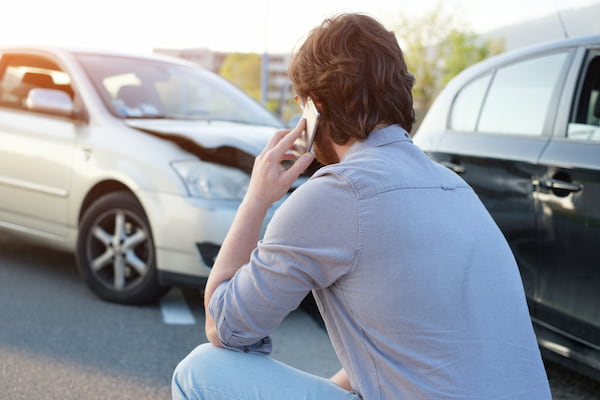
The Reality of Drunk Driving Accidents
A drunk driving accident can change a normal day into a medical crisis and a financial mess. In Texas, this happens far too often. Our state regularly ranks near the top for motor vehicle crashes linked to impaired drivers. Busy areas like Houston, Dallas, San Antonio, and Austin see frequent car crashes where alcohol or drugs play a major factor. If you got injured in one of these car wrecks, your shock and anger make sense. You did nothing to deserve this.
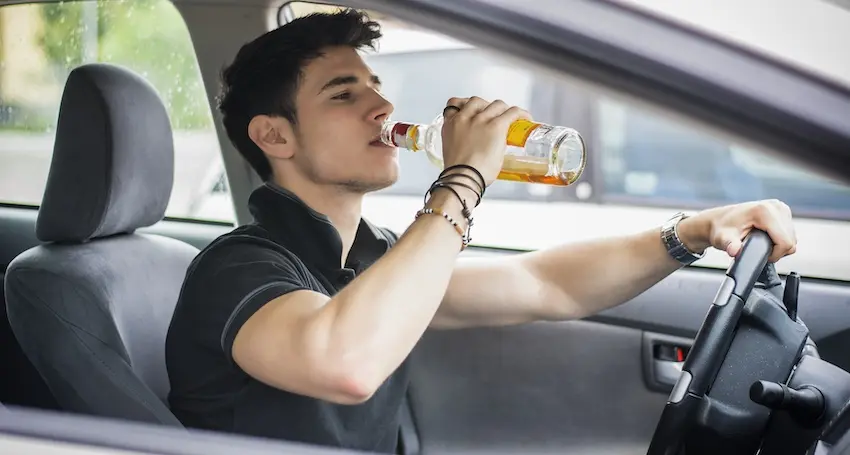
Texas drunk driving laws call this conduct driving while intoxicated (DWI). Under Texas Penal Code §49.04, a person can be legally intoxicated in two main ways: a blood alcohol concentration of 0.08% or higher, or a loss of normal mental or physical ability from consuming alcohol, drugs, or certain medications. That means a driver can still face a DWI arrest even if their alcohol concentration is under 0.08, if officers see signs like slurred speech, poor balance, or unsafe driving. Police often rely on field sobriety tests, a chemical test, and the police report to document impairment.
For the drunk driver, a DWI is a criminal offense. DWI penalties can include fines, jail time, a jail sentence for repeat offenses, and a driver’s license suspension under implied consent rules. A court may also order an ignition interlock device, an education program, or DWI intervention. Commercial drivers can face harsher outcomes, including loss of a commercial driver’s license.
For victims, the harm is often physical and long-lasting. These car accidents can cause serious injury, lost income, and heavy medical bills. At Texas Lawyers 365, we focus on the facts, the evidence, and your next steps, while treating you like a person, not a case number.
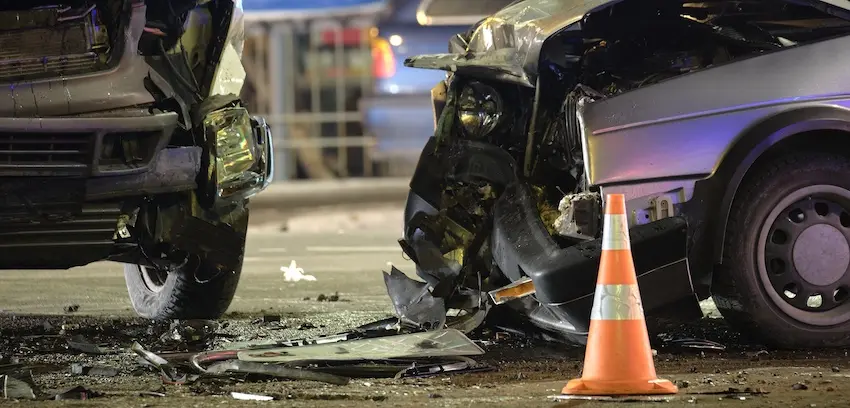
Immediate Steps You Need to Take After a Drunk Driving Accident
The minutes after a drunk driving accident can shape your health and your case. You may feel shaken, angry, or confused. That reaction is normal. At Texas Lawyers 365, we focus on two goals: keep you safe and protect the evidence that shows the drunk driver caused the car crash.
1. Prioritize Safety and Medical Care
Move to a safe spot if you can do it without risk. Turn on hazard lights. Call 911 right away. Tell the dispatcher if anyone has pain, dizziness, or trouble breathing. Some serious injury signs show up later, including head and neck injuries.
Accept medical care at the scene and follow up the same day. Medical records link your injuries to the car accident. If a child passenger was in the vehicle, ask for a full exam even if the child seems okay.
2. Notify Law Enforcement
You should report the motor vehicle crash and wait for the police. Tell the officer what you saw and heard. Mention signs like slurred speech, alcohol odor, or a driver who admits to consuming alcohol or taking drugs or certain medications.
Officers often run field sobriety checks and a chemical test for blood alcohol concentration. This state’s implied consent rules can trigger a driver’s license suspension if the intoxicated driver refuses testing. Ask how to get the police report number before you leave.
3. Document the Scene
Use your phone to take clear photos of all vehicles, damage, skid marks, traffic lights, and your injuries. Photograph open containers if you can do it safely. Write down the time, location, and weather.
Get names and numbers for witnesses. Ask for the other driver’s insurance and license information, but do not argue and do not guess about fault. Simple facts help later in a personal injury lawsuit.
A drunk driver may yell, deny, or try to leave. Do not chase them. Your safety matters more than catching an impaired driver. If they flee, give the police the plate number, vehicle description, and direction of travel. A hit-and-run can increase penalties for the offender, and your report helps the case.
Legal Consequences for Drunk Drivers
After an impaired driving accident, the state usually handles the intoxicated driver in two ways. The state can file a criminal case for driving while intoxicated (DWI). The crash victim can also bring a civil claim for injuries and losses. In this section, we focus on the criminal side. At Texas Lawyers 365, we see how fast a DWI arrest can lead to license suspension, jail time, and long-term costs that affect work and family.
Overview of DWI Laws
Drunk driving laws make it a criminal offense to operate a motor vehicle while legally intoxicated. Most adults are presumed intoxicated at a 0.08% blood alcohol concentration, shown by a breath or blood chemical test. Police also look for signs like slurred speech, poor balance, and unsafe driving.
Some drivers face stricter rules. Commercial drivers can face penalties at a lower alcohol concentration, and a DWI can threaten a commercial driver’s license. Drivers under 21 can be arrested for any detectable alcohol. If the crash involved a child passenger, the charge can increase.
A DWI arrest can also trigger an administrative license suspension under the implied consent law, even before the criminal case ends.
Penalties by Offense (Table)
Penalties depend on the number of offenses and whether the drunk driver caused catastrophic injury or death. Here is a clear breakdown of common DWI penalties.
| Offense | Key Penalties | Enhancements & Notes |
|---|---|---|
| First Offense DWI | Up to $2,000 fine, 3–180 days jail, license suspension up to 1 year, DWI education program, annual surcharge $1,000–$2,000 for 3 years | Commercial driver: stricter standards, possible CDL loss |
| Second Offense DWI | Up to $4,000 fine, 30 days–1 year jail, license suspension up to 2 years, ignition interlock device required | Open container or child under 15: state jail felony |
| Intoxication Assault | 3rd-degree felony: 2–10 years prison, up to $10,000 fine, license suspension up to 2 years | First responder victim: higher felony degree, longer sentences |
| Intoxication Manslaughter | 2nd-degree felony: 2–20 years in prison, up to $10,000 fine | First responder killed: 1st-degree felony, 5–99 years in prison |
| Property Damage Only | DWI plus Class C misdemeanor: up to $500 fine | Civil liability for property and injury damages |
Even a first offense can bring court costs, legal fees, lost income, and higher insurance rates. Courts may also order a DWI intervention or treatment program.
Your Rights and Compensation Options
After a drunk driving accident, you may feel angry and overwhelmed. We understand. At Texas Lawyers 365, we focus on two goals: protecting your rights and helping you recover money for your injury and losses from the motor vehicle crash.
Criminal vs. Civil Proceedings
This state can charge a drunk driver with a criminal offense for driving while intoxicated. The prosecutor handles that case. A DWI conviction can help show fault, but it does not pay your medical bills, car repairs, or lost income.
A civil claim is different. You can file a personal injury lawsuit against the intoxicated driver who caused the car wreck. This claim can seek payment for medical expenses, future care, pain, property damage, and emotional distress.
Civil Lawsuit Details
In a civil case, you must prove your claim by a “preponderance of evidence.” That means more likely than not. We often use the police report, witness statements, crash photos, and chemical test results. Proof can include blood alcohol concentration readings, body camera video, or signs like slurred speech.
You do not need a DWI conviction to win. Evidence of impaired driving, alcohol use, drugs, or certain medications can still support your case. In severe cases, the court may award punitive damages to punish dangerous conduct by an impaired driver.
Dram Shop Liability
Sometimes, the drunk driver is not the only party responsible. This state’s dram shop law may allow a claim against a bar or restaurant that overserved alcohol to a person who was obviously intoxicated. This can matter in serious injury or death cases, and when the driver was underage.
In most cases, you have up to two years from the date of the car accident to file a personal injury or wrongful death lawsuit. Evidence can fade fast, so you should act early if you can.
Special Considerations
Some drunk driving accidents have added rules that can change the case fast. At Texas Lawyers 365, we look at who the driver was, who was in the vehicle, and what proof exists. These details can affect DWI penalties, license suspension, insurance coverage, and the value of a personal injury lawsuit after motor vehicle crashes.
Commercial Drivers
Commercial drivers must meet stricter standards. A lower blood alcohol concentration can trigger trouble for a commercial driver’s license (CDL), even if the driver is not “legally intoxicated” under the usual 0.08% limit. A DWI conviction can lead to longer license suspension, job loss, and lost income. If a drunk driver was operating a work vehicle or a commercial motor vehicle, we also look at employer policies, logbooks, and whether the company allowed unsafe driving.
Underage Drivers and Child Passengers
The state uses a zero-tolerance rule for drivers under 21. If a young person is caught driving after consuming alcohol, it can still be an offense, even with a low alcohol concentration. Child passengers also change the stakes. If an impaired driver had a child younger than 15 in the car, the charge can rise, and the specific penalties can include higher fines, jail time, and longer license consequences. If your child was injured in a car wreck, we push to document every medical need and future impact.
Insurance After a DWI Accident
After a drunk driving accident, insurance can turn into a fight. The intoxicated driver’s insurer may try to limit payment, even when drunk driving was a major factor. We check all options, including the drunk driver’s policy and your uninsured or underinsured coverage. We also track costs like medical bills, property damage, and time off work.
Proof matters early. A police report, chemical test results, body cam video, witness statements, and photos from the crash scene can show impaired driving signs like slurred speech or poor balance. We also gather medical records to connect the crash to your serious injury. This evidence helps in both the criminal case and your civil claim for damages.
Your Path Forward Starts Here: Take Control After a Texas Drunk Driving Accident
A drunk driving accident can change your life in minutes. You may face pain, medical bills, missed work, and stress from dealing with insurance. You may also feel angry because an impaired driver chose to drive after consuming alcohol or drugs. Those feelings make sense.
Your first job is health and safety. Get medical care right away, even if you think you feel fine. Then protect your case. Ask for the police report number. Save photos, witness names, and medical records. These items can show impairment, damage, and injuries. They can also connect the crash to the intoxicated driver’s blood alcohol concentration, chemical test results, and any signs like slurred speech.
Texas drunk driving laws also bring serious consequences for the drunk driver. A DWI arrest can lead to fines, jail time, court costs, license suspension, and an ignition interlock device. A second offense can raise the penalties. Commercial drivers can lose their commercial driver’s license fast. If a child passenger was in the vehicle, prosecutors can push harsher charges.
For victims, a criminal case does not pay your bills. A personal injury lawsuit can seek payment for medical expenses, lost income, pain and suffering, and property damage from the car wreck. In some cases, a bar or restaurant may share responsibility under dram shop rules. Time matters. Usually gives you up to two years to file suit.
At Texas Lawyers 365, we will listen, explain your options in plain words, and take steps to protect your rights after motor vehicle crashes. Contact us today to talk about your drunk driving accident and what you can do next at 800-800-8000!